Bringing the Outdoors In: The Allure of Home Plant T-Shirt Design
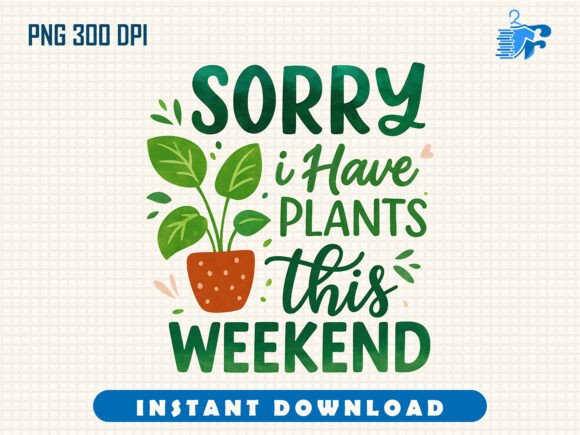
There’s something universally calming about the image of a plant. It speaks to growth, care, and a connection to nature that many of us crave in our daily lives. When that botanical beauty is captured in a high-quality graphic, it becomes more than just an image—it becomes a versatile design asset. This is precisely where a thoughtfully crafted Home Plant T-Shirt Design finds its power. It’s not merely a picture of a leaf; it’s a mood, a statement, and a foundational element you can build upon for countless creative projects, from apparel to digital branding.
More Than Just a Graphic: The Visual Appeal
What makes a particular plant design stand out? It often comes down to the balance between artistic style and botanical authenticity. A premium design in this niche typically avoids overly simplistic clip-art looks. Instead, it might feature intricate leaf textures, thoughtful line work that suggests movement, or a stylized realism that feels both modern and timeless. The best designs feel organic, not rigid. They capture the gentle curve of a monstera leaf or the delicate structure of a fern frond in a way that feels authentic. This visual appeal is crucial because it forms the first impression. Whether it’s printed on a hoodie or used as a social media icon, the design needs to resonate emotionally before it even communicates its botanical subject.
From Cotton to Canvas: Unlocking Commercial Potential
Here’s where the practical magic happens. A single, high-resolution PNG file with a transparent background is like a creative skeleton key. It unlocks a world of applications without the need for complex editing or background removal. For a small business owner, this asset can become the cornerstone of a product line. Imagine printing it on t-shirts, tote bags, and mugs for an eco-friendly lifestyle brand. Or, use it to create beautiful, cohesive packaging for a handmade candle or soap business. The design instantly adds a professional, curated feel that elevates the entire brand experience.
Beyond physical goods, its utility in the digital space is equally powerful. Content creators and bloggers can use it as a recurring visual motif in their Instagram graphics, website banners, or email headers. It can serve as the basis for a logo, a stylish watermark for photography, or the central element on a digital planner cover. For those in marketing, it’s a ready-made asset for creating engaging social media posts, eye-catching online advertisements, or polished presentation slides. The commercial license means you’re not just buying a picture; you’re investing in a reusable component for your brand’s visual identity.
Cultivating a Cohesive Brand Identity
Consistency is the bedrock of strong branding. Using a distinctive graphic like a well-designed plant illustration across multiple touchpoints creates immediate recognition. When a customer sees the same botanical motif on your product packaging, your website, and your thank you cards, it reinforces your brand’s story and aesthetic. This particular style of design—often leaning into modern, minimalist, or nature-inspired aesthetics—helps communicate values of growth, sustainability, and tranquility without a single word. It’s a form of visual shorthand that can make your brand feel more approachable and authentic.
Practical Tips for Integrating Botanical Graphics
To make the most of an asset like this, consider a few practical design principles. First, think about context. A dense, detailed plant graphic might be stunning on a large poster but could become muddy when scaled down for a favicon. The high resolution of a quality file gives you flexibility, but it’s wise to test the design at various sizes for your specific project. Second, play with color. A PNG with a transparent background allows you to easily place it over different colored surfaces. Try a crisp white version on a dark tee for high contrast, or a muted, earthy tone on a kraft paper background for a more organic, subdued look.
Third, consider pairing. A strong graphic works best when it complements, rather than competes with, your typography. If you’re using it for a logo or headline, pair it with a clean, readable sans-serif font to let the illustration shine. For a more artisanal feel, a subtle script font could work, but ensure legibility remains a priority. The goal is harmony between the image and the text, creating a unified composition that guides the viewer’s eye naturally.
Ultimately, a versatile Home Plant T Shirt Design is more than a decorative element. It’s a strategic piece of your creative toolkit. It offers a blend of aesthetic appeal and practical utility that can help streamline your design process, strengthen your brand’s visual language, and connect with an audience that appreciates the beauty of the natural world. Whether you’re a designer building assets for a client, an entrepreneur launching a product line, or a hobbyist crafting something personal, it provides a reliable and beautiful foundation to build upon. The true value lies in how you choose to use it—let it grow with your project.
Botanical Threads: The Versatile Home Plant T-Shirt Design
That little rush of finding the perfect graphic—the one that feels both fresh and familiar—is what makes design work so rewarding. A beautiful botanical illustration, like a well-crafted Home Plant T-Shirt Design, often does more than just decorate a surface. It tells a story. It evokes a feeling of growth, calm, and connection. For creators, this isn't just art; it's a strategic asset. When you have a high-resolution, transparent PNG of a stunning plant, you're holding a key that can unlock dozens of projects, blending nature's elegance with your brand's unique voice.
The Anatomy of an Effective Botanical Asset
What separates a generic plant clip-art from a design that feels premium? It's in the details. Look for line work that has character—perhaps some leaves with subtle texture or stems that flow with a natural, imperfect grace. The style should be versatile enough to feel at home on a minimalist tote bag yet detailed enough to command attention on a poster. A truly useful design avoids being overly trendy, opting instead for a timeless aesthetic that won't feel dated next season. This kind of thoughtful illustration becomes a cornerstone of your visual library, adaptable to your evolving projects.
Where Nature Meets Commerce: Real-World Applications
The real test of any design asset is its practical utility. With commercial use allowed, this type of graphic becomes a workhorse for entrepreneurs and creators. Think beyond the obvious t-shirt. This design can be printed on mugs for a coffee shop's merchandise, on canvas pouches for a skincare brand, or on thank you cards for an online boutique. It's perfect for creating cohesive packaging that tells a consistent story, instantly making your product feel more curated and professional.
In the digital realm, its applications are just as powerful. Use it as a central element in your social media graphics to create a recognizable visual theme. Incorporate it into website headers or blog post featured images to reinforce a nature-inspired brand identity. For content creators, it can become a stylish watermark or a recurring motif in digital planners and invitations. The high resolution ensures it looks sharp on screens and in print, maintaining your brand's professional presentation across all platforms.
Building Recognition Through Visual Consistency
One of the greatest challenges in branding is creating a cohesive look that people remember. A distinctive botanical element can serve as a visual anchor. When you use the same plant illustration—or elements from it—across your merchandise, your website, and your marketing materials, you create a subtle but powerful thread of recognition. This consistency builds trust and professionalism. It signals that you've thoughtfully considered every aspect of your brand, from the product itself to the packaging and the unboxing experience. This attention to detail is what transforms a small business into a memorable brand.
Making It Work: Practical Design Considerations
To integrate a botanical graphic seamlessly, consider a few key points. First, test its scalability. How does it look when shrunk down for a social media profile picture versus when it's blown up for a wall poster? A well-designed file will retain its integrity at various sizes. Second, experiment with color overlays and placement. A white design on a dark background offers bold contrast, while a muted earth tone on a natural fiber tote feels organic and understated. Don't be afraid to isolate a single leaf or branch from the larger composition for a more subtle accent.
Font pairing is also critical. If you're adding text, let the illustration lead. A clean, modern sans-serif font often provides excellent contrast without competing for attention. For a more artisanal feel, a simple, legible handwritten font can complement the natural theme. The goal is balance—your typography should support the graphic, not overshadow it. Always preview your final composition on the intended product or medium to ensure everything feels harmonious and the message is clear.
In the end, a versatile Home Plant T-Shirt Design is an investment in your creative workflow. It’s a starting point that can be adapted, recolored, and reimagined to fit the unique needs of your project, whether you're a designer building a client's brand identity or a hobbyist crafting something special. It bridges the gap between digital convenience and tactile, human-centered design, offering a piece of nature that can be woven into the fabric of your work.